Possible earlier religious activity
HYPOTHESIS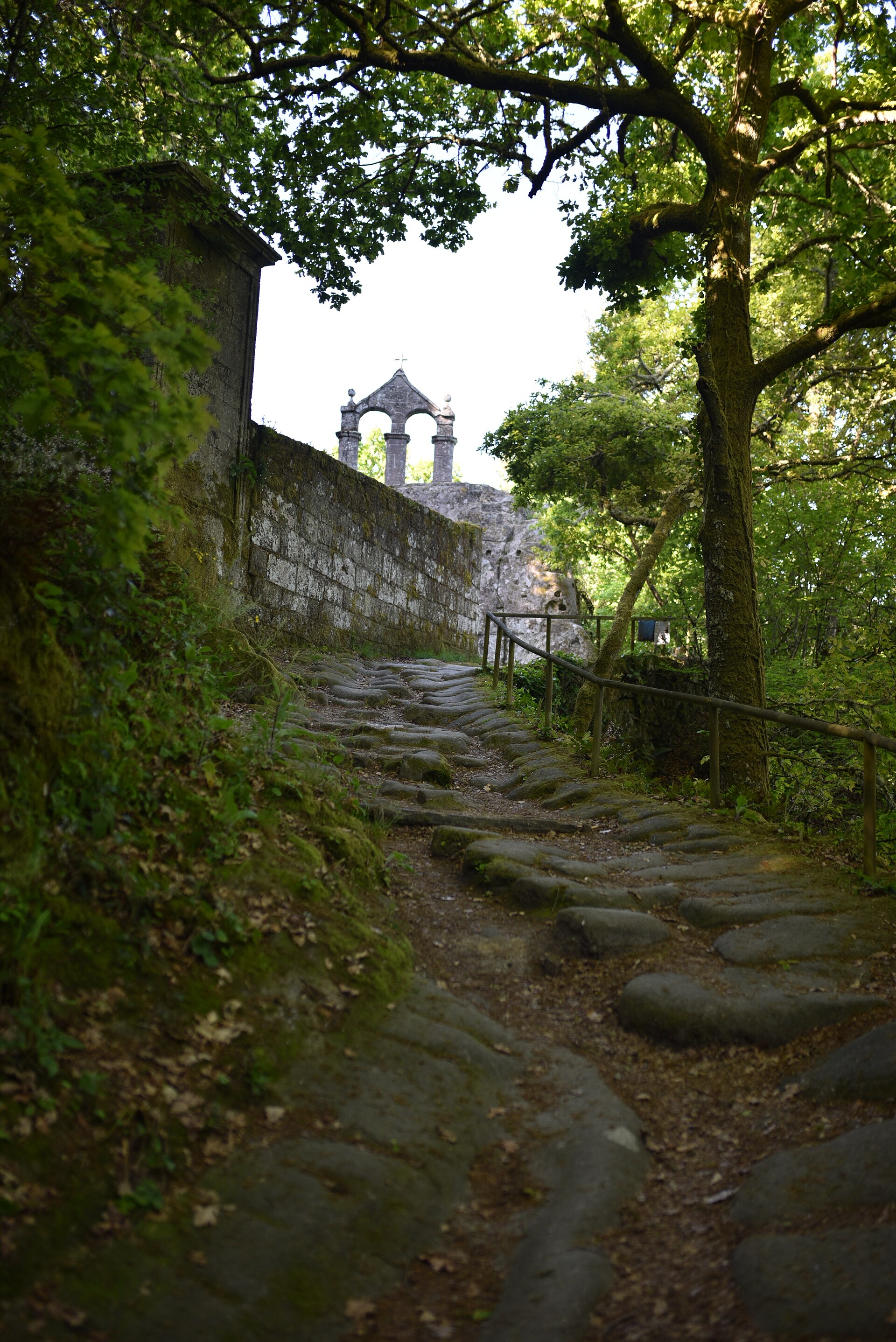
HERITAGE CAPSULE001
ESGOS · RIBEIRA SACRA · GALICIA
SAN PEDRO
DE ROCAS
Before it was a monument,
it was rock.
INDEPENDENT VERDE RESEARCH PROTOTYPE
SCROLL TO TRACE THE EVIDENCE
01 / ORIGIN
Stone remained.
People changed.
Institutions changed.
Uses changed.
The place endured.
METHOD 001
Evidence before generation.
Heritage before technology.
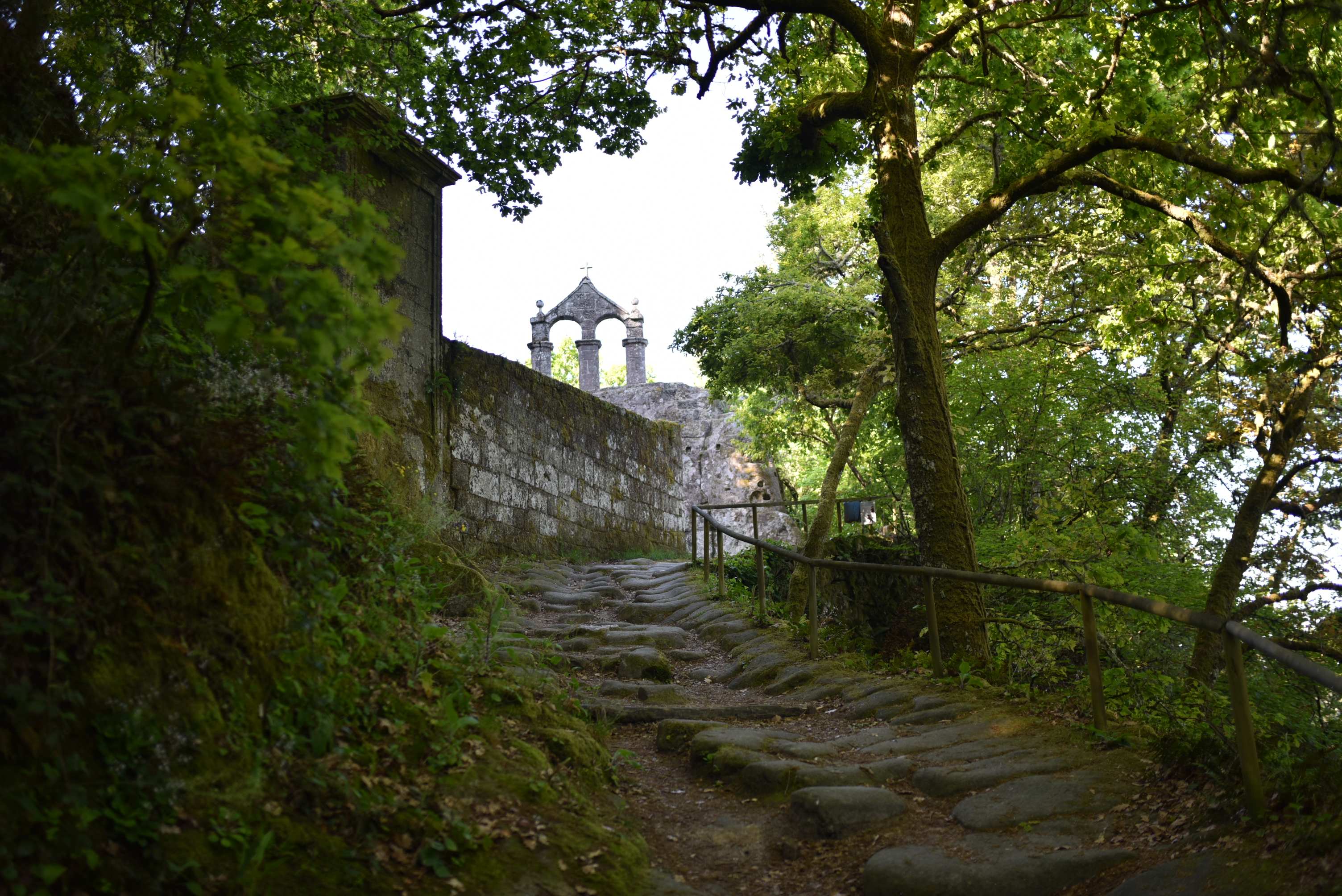
CHAPTER 01BEFORE THE
BEFORE THE
MONASTERY
Before a monastery, a charter or a name, there was place: granite, water, shelter, forest and distance. Every later institution had to negotiate with this ground.
PLACE → MEMORY → TIME
NOT ONE STORY.
A SEQUENCE OF EVIDENCE.
Dates locate events. Labels disclose how we know them.
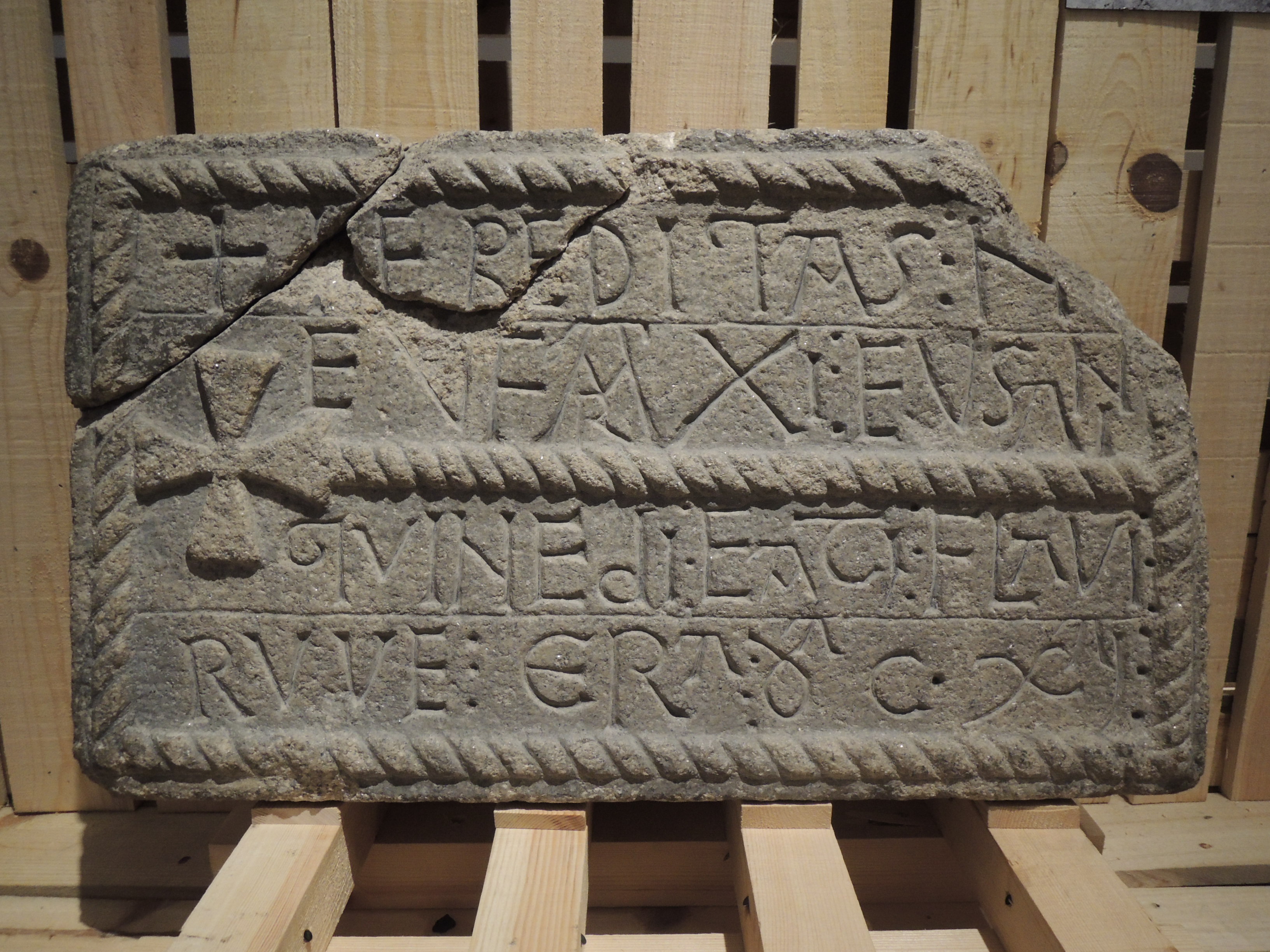
An inscription records a small Christian community
QUALIFIED EVIDENCEA tradition of rediscovery and renewed religious life
DOCUMENTARY TRADITIONA royal narrative survives only through later copies
DISPUTED TRADITIONThe first surviving original document in the archive
PRIMARY SOURCERoyal privilege connects the monastery to land and jurisdiction
PRIMARY SOURCEA donation supports repairs to church and monastery
SCHOLARLY SOURCEA Romanesque wall painting belongs to this visual horizon
MATERIAL EVIDENCEA property exchange enters the surviving document record
PRIMARY SOURCEA vineyard called Lavandeira is donated to the priory
PRIMARY SOURCEThe Catholic Monarchs order protection of monastery and vassals
PRIMARY SOURCESan Pedro enters a more formal subordination to Celanova
INSTITUTIONAL HISTORYFire likely destroys the medieval monastic architecture
OFFICIAL SOURCEDisentailment changes the institution; parish use continues
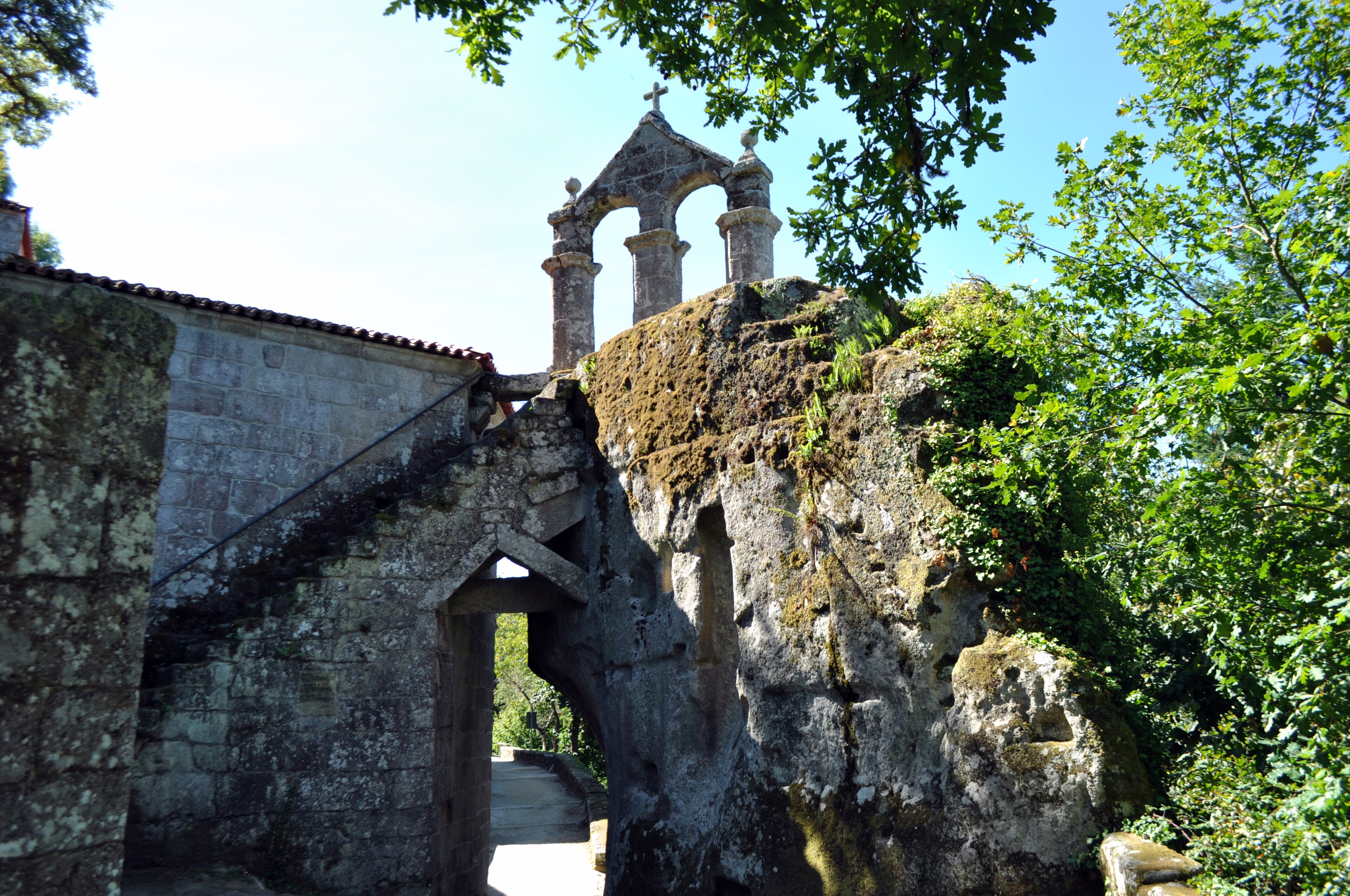
OFFICIAL SOURCEDeclared a historic-artistic monument
PROTECTIONFire leaves the complex in ruins and parish use ends
OFFICIAL SOURCERehabilitation reveals tombs and enables a new public use
OFFICIAL SOURCEResearch, protection and interpretation sustain a new life
PRESENT USETHE MATERIAL
BEHIND THE STORY.
Open a record to see what it supports—and where certainty ends.
THE INSCRIPTION
+
The date is clear. The object is more complicated. The surviving stone may be a later copy of an earlier inscription, and the number of people named remains open to interpretation.
Museo Arqueolóxico Provincial de Ourense ↗A DOCUMENTARY TRADITION
+
The account attributed to 1007 survives in later copies. It can reveal how the monastery understood its past, but it cannot be presented as an extant original from 1007.
AHN · CLERO-SECULAR_REGULAR, Car.1565, N.6–8 ↗THE FIRST ORIGINAL
+
Sancho Alfonso sells the monastery a casal in Lagenoso. PARES identifies this parchment as the first surviving original in the San Pedro de Rocas collection.
AHN · Car.1565, N.9 ↗LAND AND JURISDICTION
+
Alfonso VII grants a coto privilege for Velle and realengo lands inside its terms. Solitude has become territory, rights and administration.
AHN · Car.1565, N.10 ↗REPAIRING THE MONASTERY
+
A donation by Nuno and Teresa Gomariz is linked to works at church and monastery. The three-nave development remains scholarly interpretation rather than a complete visual record.
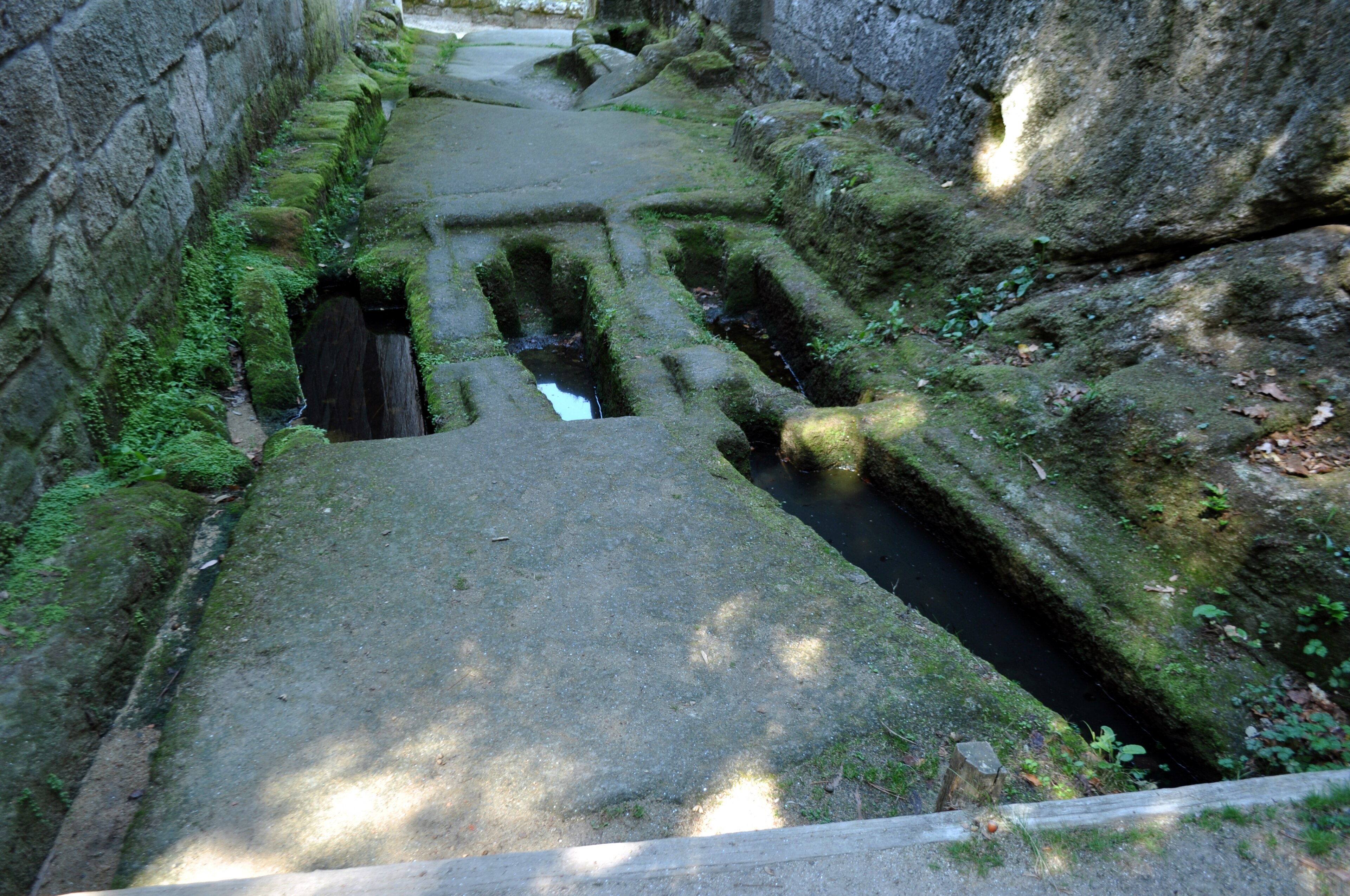
Románico Digital · San Pedro de Rocas ↗ROCK-CUT TOMBS
+
Official reporting records thirty burials uncovered inside the church and eight more between church and prioral house. Their dates span several phases.
Arquivo Histórico Provincial de Ourense · Fronda 101 ↗THE LAVANDEIRA VINEYARD
+
Juan Bravo donates to prior Juan Anes a plot of vineyard called Lavandeira in Santa Marta de Velle. The link between monastery, land and wine is archival—not decorative.
AHN · Car.1566, N.7 ↗ROYAL PROTECTION
+
The Catholic Monarchs order royal officials in Galicia to protect the monastery and its vassals from unlawful demands made by powerful encomenderos.
AHN · Car.1566, N.12 ↗FIRE AND ABANDONMENT
+
After the fire, the church was not rebuilt for parish worship. A new church was raised at Quinta do Monte and Rocas entered a period of abandonment and loss.
Arquivo Histórico Provincial de Ourense · Fronda 101 ↗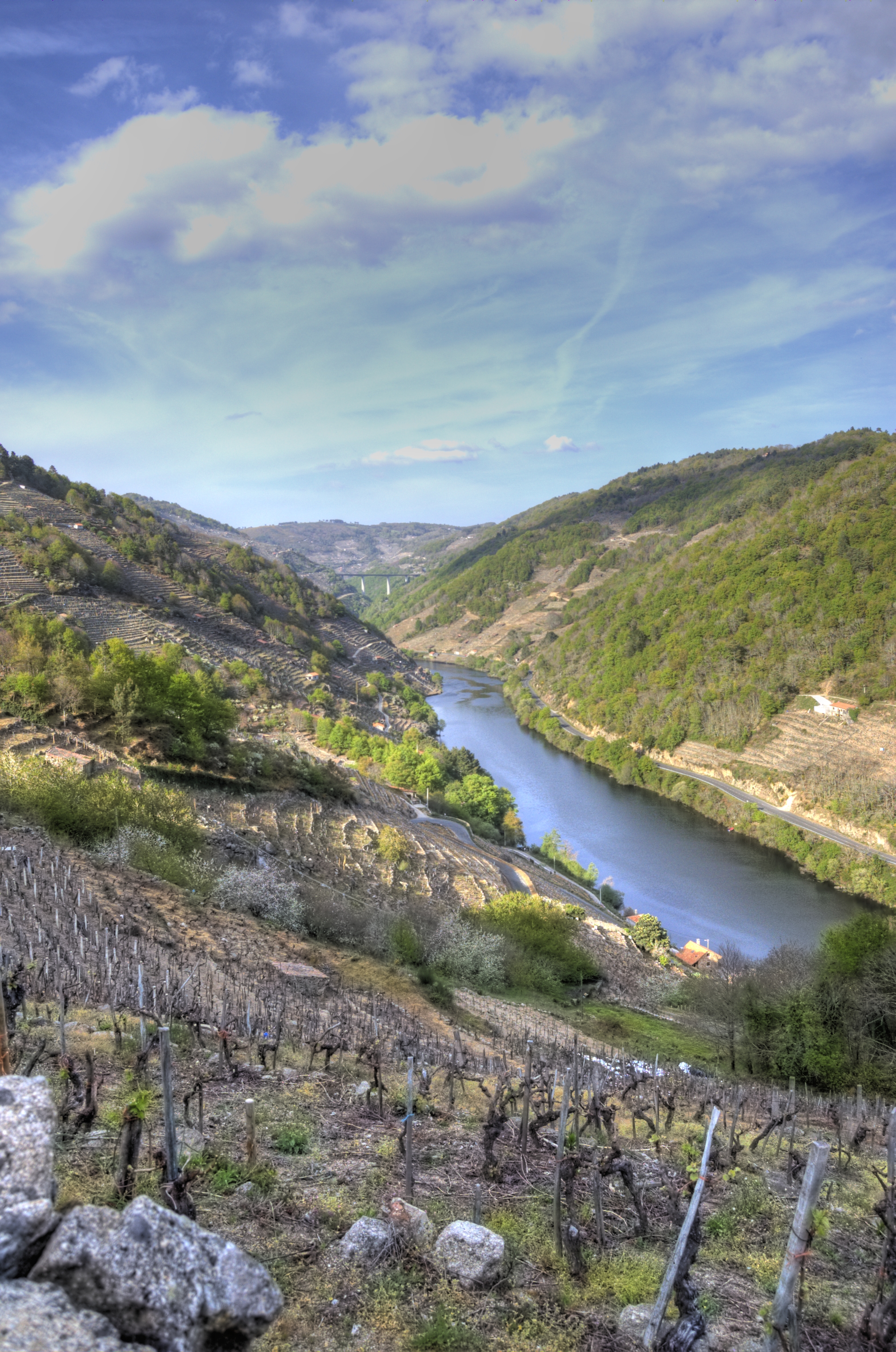
CHAPTER 04 / ARCHIVAL CONTINUITY
LAND · WORK · WINE
On 13 January 1351, a vineyard called Lavandeira entered the monastery’s documentary record. The connection to wine is not a modern brand association. It is part of the archive.
REGIONAL LANDSCAPE CONTEXT · THE IMAGE DOES NOT CLAIM TO SHOW THE HISTORIC LAVANDEIRA PLOTCARVED.
BUILT.
REBUILT.
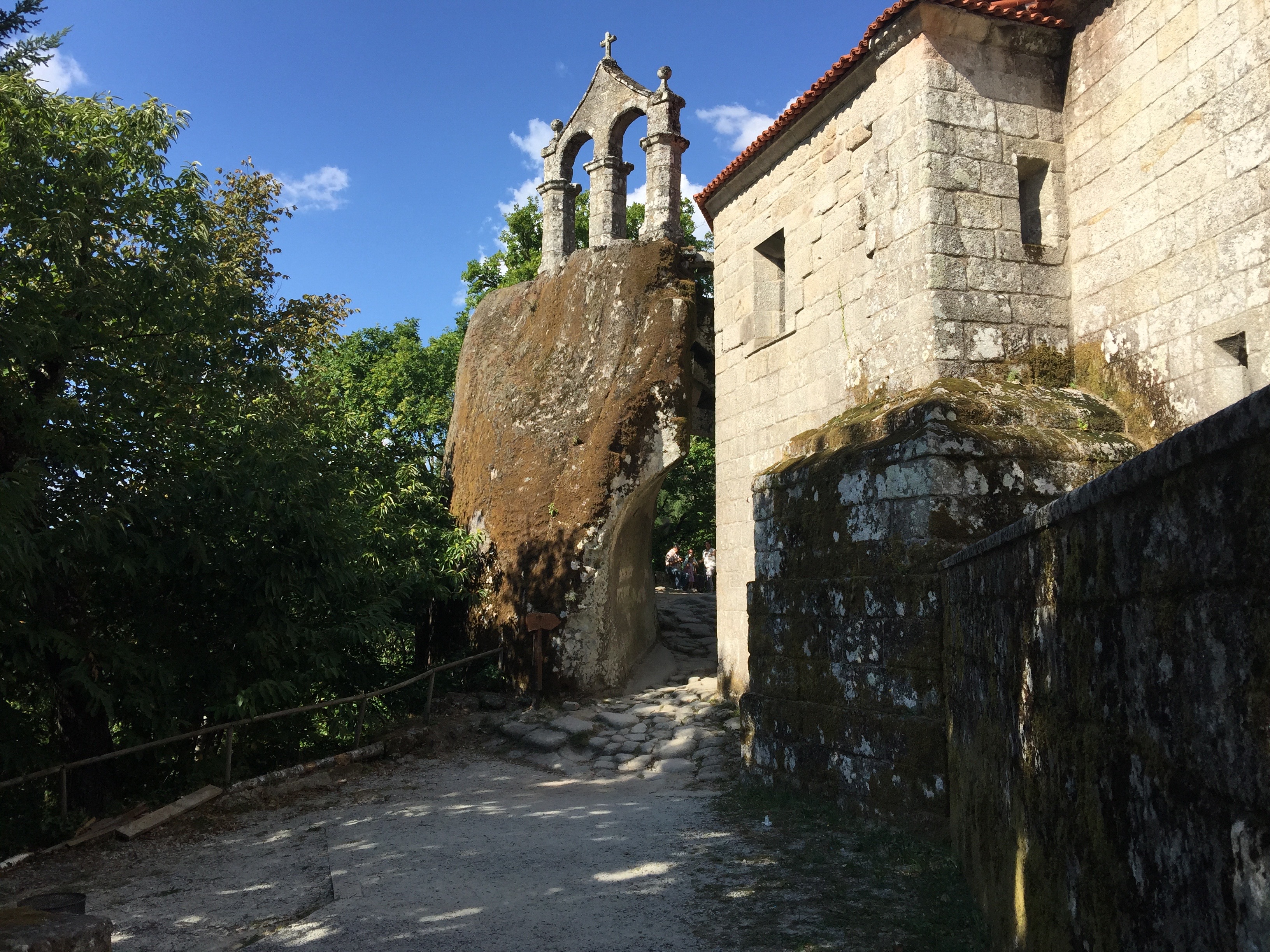
EVIDENCE-LED RECONSTRUCTIONc.1189–1200
05 / ONE INTERPRETATIONWHAT CAN BE
WHAT CAN BE
RESTORED—
AND WHAT CANNOT.
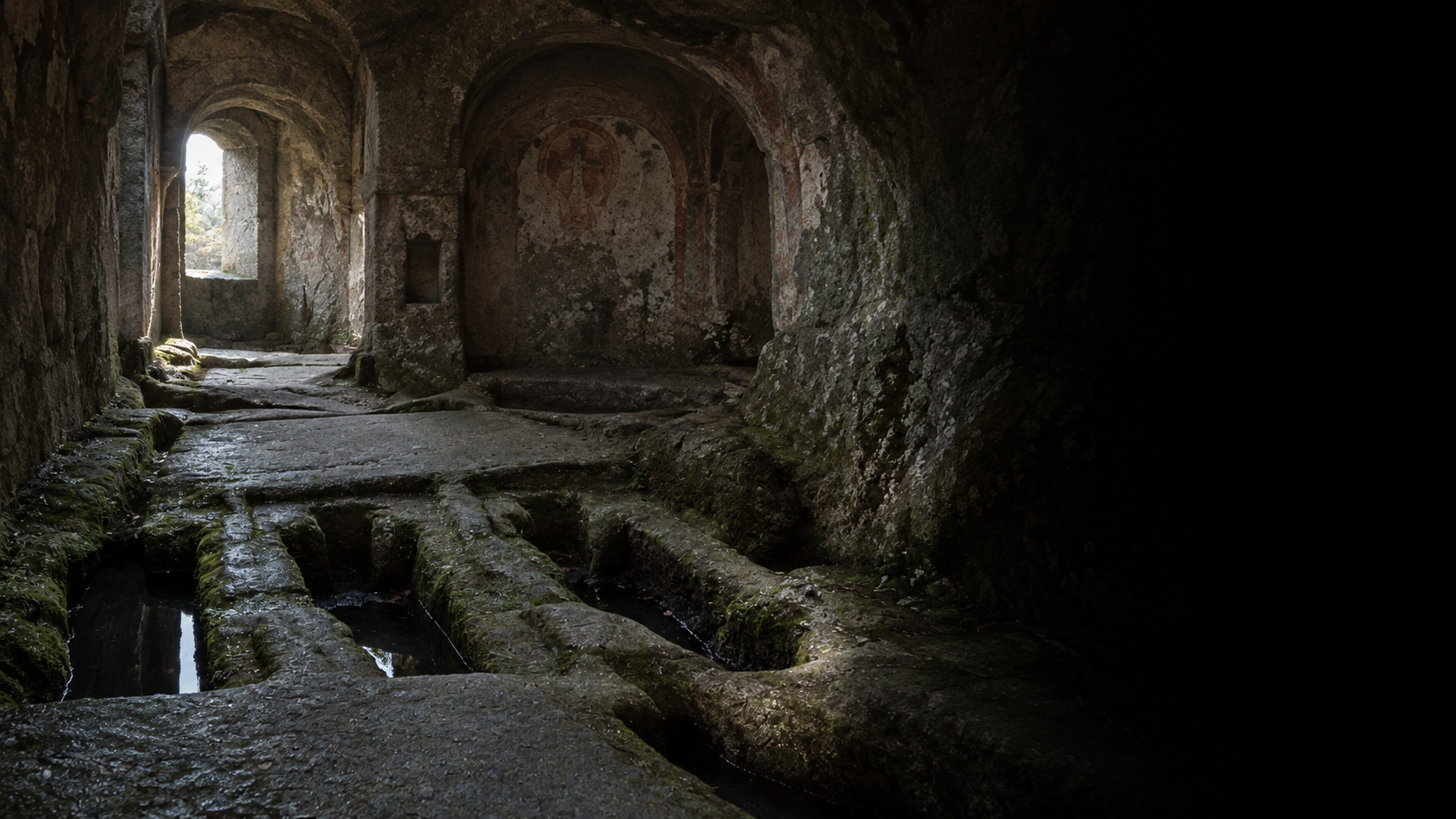
Based on surviving rock-cut architecture, tomb forms, documentary evidence and scholarly interpretation. The spatial composition and mural placement remain interpretive.
- Surviving granite forms anchor the material language.
- The late-12th-century phase anchors the time window.
- No furniture, precious objects or people are invented.
- Unsupported space recedes into darkness.
AI-ASSISTED VISUAL · NOT A HISTORICAL PHOTOGRAPH
AN EMOTIONAL
ENTRY INTO THE ARCHIVE.
55 seconds · tender original score & sound design · real heritage first
CHAPTER 06 / WHAT REMAINSTHE PLACE
THE PLACE
ENDURED.
Stone. Cavities. Traces of paint. Tombs. Documents. Memory. What remains now continues through conservation, research, interpretation and digital circulation.
THE PAST
WORKS IN THE PRESENT.
San Pedro is not a hotel. Its value now moves through a wider living economy.
The monument remains a protected cultural site. Around it, interpretation, accommodation, hospitality and wine tourism turn heritage into reasons to visit, stay, learn and return.
CURRENT STATUS · VERIFIED SEPTEMBER 2026INTERPRETATION
The former prioral house operates as the Ribeira Sacra Interpretation Centre. Entry is free, with visitor information, parking and public facilities.
OFFICIAL VISITOR RECORD ↗IMAGE RIGHTS PENDINGOPERATOR PHOTOGRAPHY NOT REPUBLISHED
RURAL STAY
Borbela de Luz shows another present-day model: two contemporary cabins integrated into native woodland, operating year-round for a maximum of six guests.
REGIONAL TOURISM RECORD ↗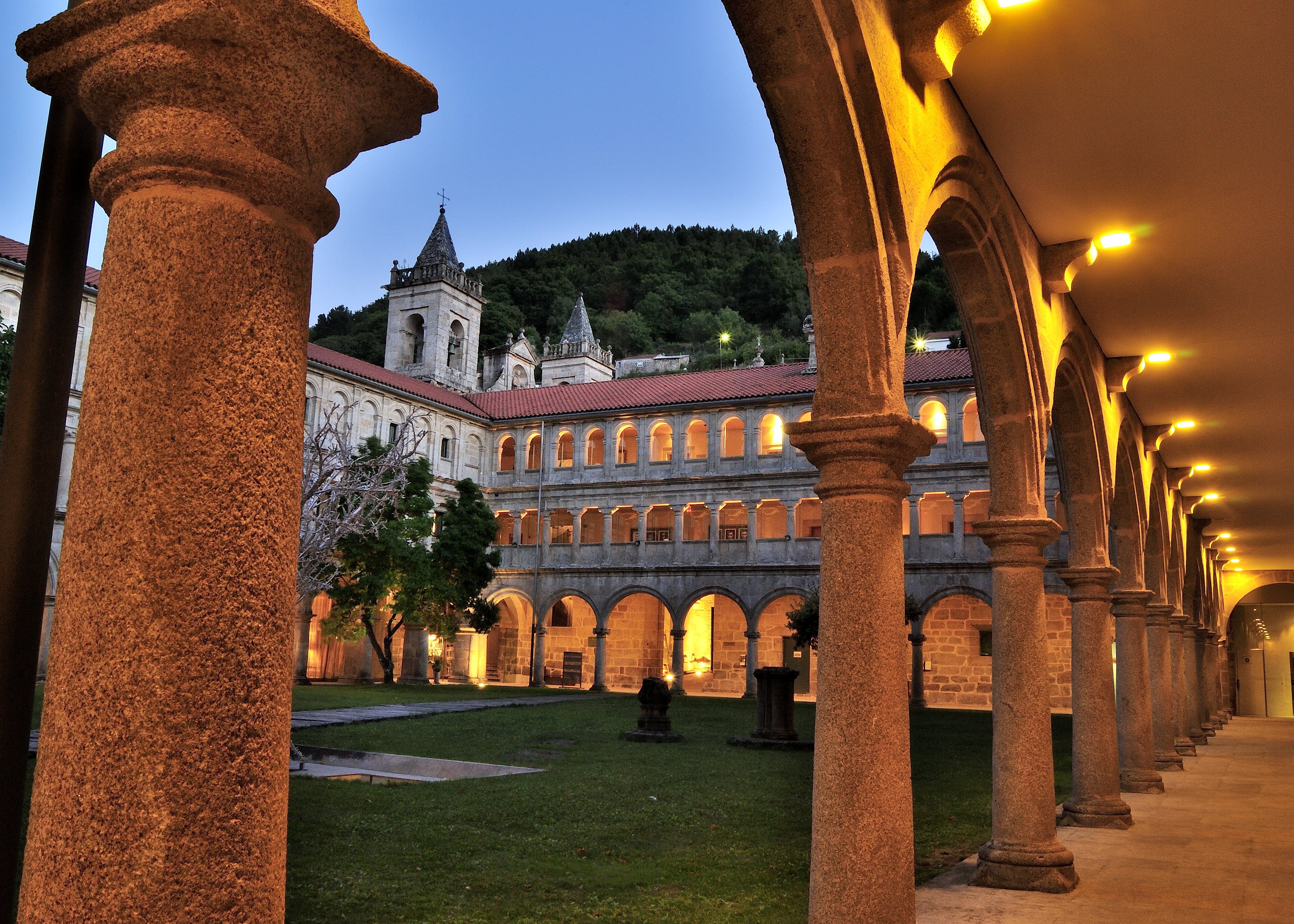
HERITAGE HOTEL
At Santo Estevo, a Benedictine monastery supports rooms, gastronomy, events and a spa in former cellars. It demonstrates how protected heritage can sustain hospitality without turning San Pedro itself into a hotel.
PARADORES ↗WINE TOURISM
More than one hundred wine producers form the regional landscape; many offer guided winery visits and tastings. The medieval land record now sits inside a living visitor economy.
OFFICIAL WINE-TOURISM NETWORK ↗SCOPE
These businesses and services are independent regional examples, not VERDE partners and not operations of San Pedro de Rocas. Their inclusion maps the present-day heritage ecosystem; it does not imply affiliation.
TRACE THE CLAIM.
KEEP THE DOUBT.
This capsule publishes uncertainty instead of hiding it.
01PARES · ARCHIVO HISTÓRICO NACIONAL
Monastery fonds, original parchments, copy status and archival references
↗02MUSEO ARQUEOLÓXICO PROVINCIAL DE OURENSEThe 573 inscription and the original-versus-copy debate
↗03ARQUIVO HISTÓRICO PROVINCIAL DE OURENSEOfficial overview: origins, fires, tombs, rehabilitation and interpretation centre
↗04ROMÁNICO DIGITAL1189 repairs, Romanesque phase and architectural interpretation
↗05TURISMO DE GALICIAPresent use and visitor interpretation
↗06BOEProtected-setting delimitation, 1999
↗07RIBEIRA SACRA TOURISM CONSORTIUMCurrent visitor access, interpretation centre and services at San Pedro de Rocas
↗08BORBELA DE LUZA current rural-accommodation example in Esgos: two landscape-integrated cabins
↗09PARADORESSanto Estevo as a regional precedent for activating monastic heritage through hospitality
↗010RIBEIRA SACRA WINE TOURISMThe present network of winery visits, guided experiences and tastings
↗RESEARCH BOUNDARY
A proposed c.1600 vineyard/property litigation remains outside the public narrative until a precise archival reference is independently located. Absence from this page is deliberate.